Rocky Balboa in the 80s: Hope With Bruised Knuckles
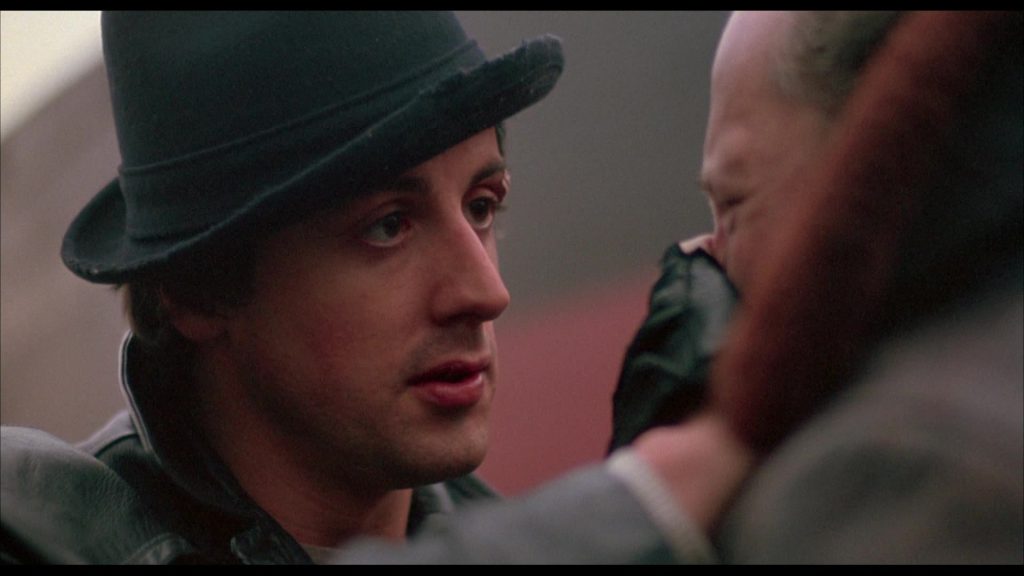
The 1980s were full of heroes who looked impossible.
They had magic swords, transforming bodies, talking cars, laser weapons, secret bases, and powers that made childhood feel bigger than the living room floor. But one of the decade’s most powerful heroes did not come from another planet, live in a cloud kingdom, or command an army of robots.
He came from Philadelphia.
He wore a gray sweatsuit.
He ran through city streets.
He talked with a rough voice and a soft heart.
And when life knocked him down, he got back up.
Rocky Balboa was never just a boxer.
He was hope with bruised knuckles.
That is what made Rocky different from so many other 1980s icons. He was strong, yes. He could take a punch. He could train harder than anyone. He could step into the ring against men who seemed faster, stronger, and more polished. But Rocky’s greatest strength was never really his fists.
It was his heart.
Rocky was not heroic because he always won. He was heroic because he kept going when losing looked certain. He was heroic because he cared. He loved Adrian. He loved Paulie even when Paulie made that difficult. He loved Mickey like family. He loved his son. He loved his friends. And deep down, he even carried respect for the men standing across from him in the ring.
That kind of heart mattered.
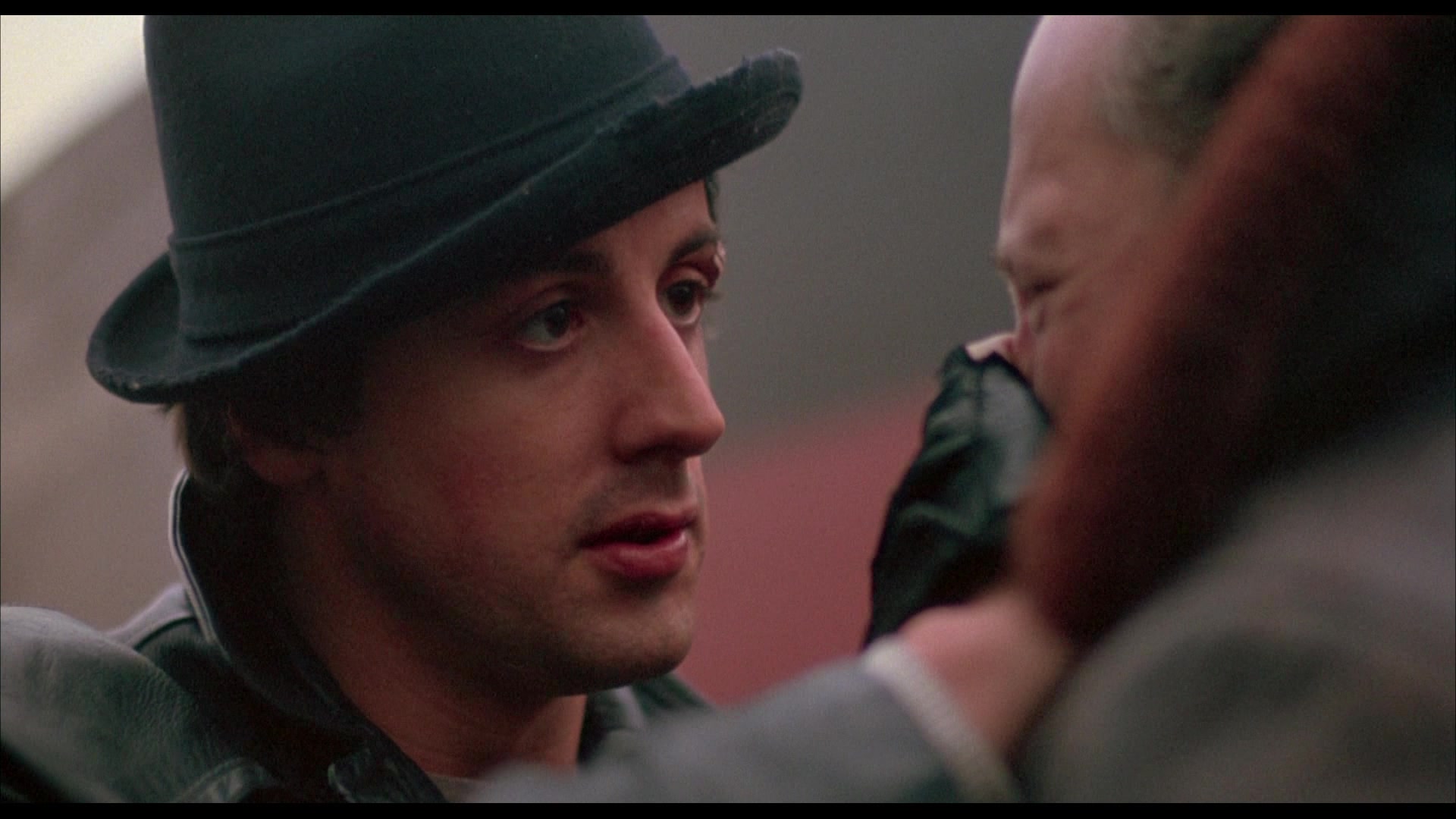
The Rocky movies of the 1980s gave us some of the most unforgettable images in pop culture. Rocky racing Apollo Creed on the beach. Rocky and Apollo training together. Mr. T’s Clubber Lang bringing raw fury into Rocky III. Ivan Drago standing like a human machine in Rocky IV. The snow. The mountains. The music. The montage. The impossible final rounds where every punch felt like a test of the human spirit.
It was big.
It was loud.
It was gloriously 1980s.
But under all that spectacle was a surprisingly tender story about a man trying to remain decent in a world that keeps demanding he prove himself.
That is the beauty of Rocky.
He is not arrogant. He is not slick. He is not cruel. Even when he is surrounded by fame, money, cameras, and expectations, the best version of Rocky is still the same guy who talks to people like they matter. He is awkward, sincere, loyal, and often unsure of himself. He is a champion who still feels like the underdog.
That is why people connect to him.
Most of us are not fighting Apollo Creed or Ivan Drago. But we all know what it feels like to stand across from something bigger than we are. A diagnosis. A job loss. A broken relationship. A family struggle. A dream that feels out of reach. A fear that keeps showing up no matter how hard we train.
Rocky makes those fights feel visible.
He reminds us that courage is not the absence of pain. Courage is taking the pain and still stepping forward. It is getting up when everything in you wants to stay down. It is believing that one more round still matters.
That is hope.
Not shiny hope. Not easy hope. Not the kind of hope that pretends life does not hurt.
Rocky’s hope has black eyes, split lips, sore ribs, and sweat dripping onto the mat. It is the kind of hope that has been punched in the mouth and still refuses to quit.
That is why Rocky’s kindness is so important.
Without kindness, Rocky would just be another tough guy. But his tenderness gives his toughness meaning. His love for Adrian grounds him. She is not just the woman cheering from the side. She is the person who sees Rocky beyond the ring. She sees the man underneath the fighter. Their love story matters because it gives Rocky something worth fighting for besides applause.
And Adrian’s belief in him is not empty cheerleading.
It is quiet strength.
She reminds him who he is when the world tries to turn him into a symbol, a product, or a weapon. She represents home. Humanity. The life outside the lights. In a decade that often celebrated winning above everything, Rocky and Adrian reminded us that victory means less if you lose yourself getting there.
That lesson runs through the best of Rocky.
Apollo Creed’s journey also adds power to the story. At first, Apollo is the champion, the showman, the man Rocky is supposed to survive against. But over time, Apollo becomes something deeper: a rival who becomes a friend. That transformation is one of the most hopeful parts of the series.
Because it shows that respect can grow where conflict once stood.
Rocky and Apollo could have remained enemies forever. Instead, they became brothers in spirit. They trained together. They laughed together. They pushed each other to be better. In a world that loves to keep people divided, that friendship still feels powerful.
Rocky teaches us that the person across from you is not always just an opponent.
Sometimes they are the person who understands your struggle better than anyone else.
Even Rocky IV, with all its Cold War thunder, carries that message. The fight with Drago is wrapped in flags, politics, and national pride, but the emotional heartbeat is about grief, endurance, and the possibility that people can change. Rocky steps into that ring carrying pain, but he does not become a monster. He fights with everything he has, and somehow his humanity becomes the real victory.
That is why Rocky works as a symbol of hope.
He is not perfect. He makes mistakes. He gets scared. He gets proud. He gets hurt. He loses people. He doubts himself. But he keeps coming back to the same basic truth: life is hard, but you do not have to let it make you hard.
That is the part worth remembering.
The 1980s gave Rocky bigger opponents, bigger stages, and bigger montages, but the soul of the character stayed simple. He was a man who understood struggle. He was a man who knew what it meant to be counted out. He was a man who kept getting back up not because it was easy, but because quitting would have meant surrendering the best part of himself.
That is a message that never gets old.
Rocky Balboa reminds us that hope is not always gentle. Sometimes hope is a training run before sunrise. Sometimes it is one more push-up. Sometimes it is forgiving someone who hurt you. Sometimes it is loving your family when you are tired. Sometimes it is standing up after life has knocked you flat and saying, “I’m still here.”
That is not just boxing.
That is life.
And maybe that is why Rocky still matters after all these years. He gives us permission to be bruised and hopeful at the same time. He tells us that being hurt does not mean being finished. He shows us that kindness can live inside toughness, that courage can come from ordinary people, and that the fight is not over just because the bell has not gone your way.
Rocky was never the fanciest hero of the 1980s.
He was not the cleanest, coolest, or most powerful.
But he was one of the most human.
And when he raised his fists at the top of those steps, it was not just a victory pose.
It was a promise.
You can get back up.
Even with bruised knuckles.
Even with a tired heart.
Even when the world thinks the fight is over.
You can still go one more round.